Technology is reshaping waste management practices across urban landscapes. Smart waste collection systems optimize routes through sensor data, while AI-driven sorting technologies enhance recycling efficiency. Innovations in waste-to-energy processes further contribute to sustainable solutions. Additionally, data analytics provide critical insights for operational improvements. These advancements raise important questions about future implementations and their potential impact on environmental sustainability. The exploration of these technologies reveals deeper implications for urban waste strategies.
Smart Waste Collection Systems
As urban populations continue to grow, municipalities are increasingly adopting smart waste collection systems to enhance operational efficiency and sustainability.
These systems leverage sensor integration to monitor bin capacities, optimizing collection routes for automated vehicles. By reducing unnecessary trips and emissions, they promote environmental responsibility while streamlining operations.
The integration of real-time data empowers cities to make informed decisions, fostering a more liberated approach to waste management.
AI-Powered Sorting Technologies
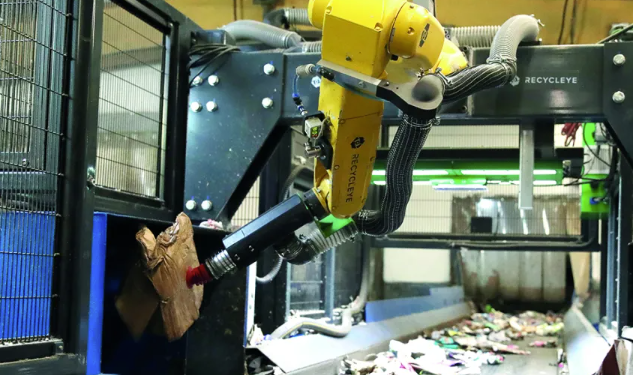
While traditional sorting methods often rely on manual labor, AI-powered sorting technologies are revolutionizing the waste management landscape by automating and enhancing the efficiency of material separation processes.
Utilizing robotic sorting powered by advanced machine learning algorithms, these systems can identify and categorize materials with unprecedented accuracy.
This innovation significantly reduces operational costs and increases recycling rates, promoting a more sustainable waste management ecosystem.
Waste-to-Energy Innovations
Waste-to-energy innovations represent a critical advancement in the pursuit of sustainable waste management solutions.
These technologies enhance biogas production through anaerobic digestion, converting organic waste into renewable energy.
Additionally, thermal conversion processes, such as gasification and pyrolysis, transform various waste materials into usable fuels.
See also: Technology in Transportation and Logistics
Data Analytics for Waste Management Optimization
How can data analytics transform waste management practices to enhance efficiency and sustainability?
By employing predictive modeling and real-time monitoring, organizations can optimize collection routes, reduce operational costs, and minimize environmental impact.
These analytical tools enable proactive decision-making, fostering a dynamic approach to waste management that adapts to changing patterns and demands, ultimately promoting a more sustainable and effective waste management framework.
Conclusion
In the intricate tapestry of urban sustainability, technology weaves vibrant threads of efficiency and innovation into waste management. From smart collection systems that dance with data to AI-powered sorting technologies that breathe new life into recyclables, these advancements are not mere tools but catalysts for change. As cities harness the power of data analytics, they sculpt a future where waste is transformed into resources, illuminating the path toward a cleaner, greener planet. The revolution has begun; the future is now.