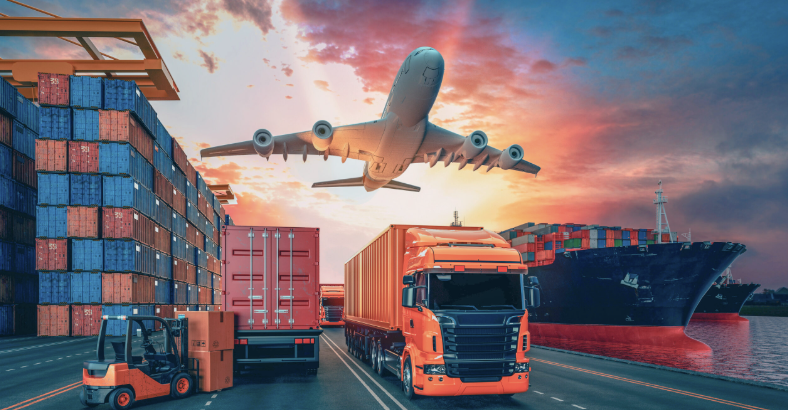
The integration of technology in transportation and logistics is reshaping the industry landscape. Autonomous vehicles promise enhanced efficiency, while drones introduce new delivery paradigms. Real-time tracking technologies offer unprecedented visibility into supply chains. However, these advancements are not without challenges, particularly regarding regulation and safety. As stakeholders confront these complexities, the future trajectory of logistics remains uncertain, raising critical questions about the balance between innovation and compliance.
The Rise of Autonomous Vehicles
What factors have contributed to the rapid advancement of autonomous vehicles in recent years? Key elements include significant technological innovations in artificial intelligence and machine learning, enabling improved navigation and decision-making.
However, regulatory challenges and safety concerns persist, hindering widespread adoption. The interplay between these advancements and ongoing scrutiny reflects a delicate balance, as stakeholders seek to ensure freedom of movement while prioritizing public safety.
Drones and Their Impact on Delivery Services
The rapid integration of drones into delivery services has transformed logistical operations across various industries.
By enhancing delivery efficiency, drones facilitate faster and more cost-effective shipping alternatives.
However, the effectiveness of these systems is often contingent upon drone regulations, which vary significantly across regions.
Adapting to these regulations is essential for companies aiming to leverage drone technology in their supply chains effectively.
Real-Time Tracking Technologies
Real-time tracking technologies have revolutionized the way logistics and supply chain management operate, allowing for unparalleled visibility into the movement of goods.
Through GPS integration and advanced sensor technology, stakeholders can monitor shipments continuously, enhancing decision-making efficiency.
This capability enables proactive responses to delays or disruptions, ultimately granting businesses the freedom to optimize their operations and improve customer satisfaction in an increasingly dynamic marketplace.
See also: Technology in Supply Chain Management
Advanced Supply Chain Management Solutions
Building upon the advancements in real-time tracking technologies, advanced supply chain management solutions leverage data analytics and automation to enhance operational efficiency.
These systems utilize blockchain integration for secure information sharing and predictive analytics to forecast demand and optimize inventory levels.
Conclusion
In the ever-evolving landscape of transportation and logistics, the dawn of innovation shines brightly, illuminating pathways previously shrouded in uncertainty. As autonomous vehicles glide seamlessly along routes and drones dance gracefully through the skies, the promise of efficiency and enhanced decision-making unfolds. However, amidst this technological symphony, the need for careful stewardship remains paramount, ensuring that safety and regulatory harmony accompany each new advancement, guiding the industry toward a future where possibilities are boundless yet responsibly embraced.